Ten years ago, I visited Georgia for the first time. I spent a month and a half in Batumi, two weeks of which I spent with the ringers in the Batumi Chorokhi Delta. It was a fun experience where I got to hold many dream species in my hands. Besides the dream species, there were occasionally some strange, unfamiliar birds for me. This reed warbler was one of them. In 2014, I had only been birdwatching for a few years and wasn’t really focused on many distant foreign taxa. That’s why I had never heard of the subspecies fuscus. These birds stood out, and that’s why I took some photos of one bird (which I am now happy about).
There are many different subspecies of the Common Reed Warbler. I have listed the two important ones below, as the other subspecies can essentially be ruled out based on distribution. This description comes from the IOC:
- A. s. scirpaceus – Europe to w Russia, Ukraine and w Turkey, nw Africa | to w, c Africa
- A. s. fuscus – n Egypt and c Turkey through the Middle East to se European Russia, n Iran, Kazakhstan and nw China | to e, s Africa
To what extent this distribution is accurate, I cannot say. However, it is possible that the subspecies scirpaceus also migrates through Georgia.
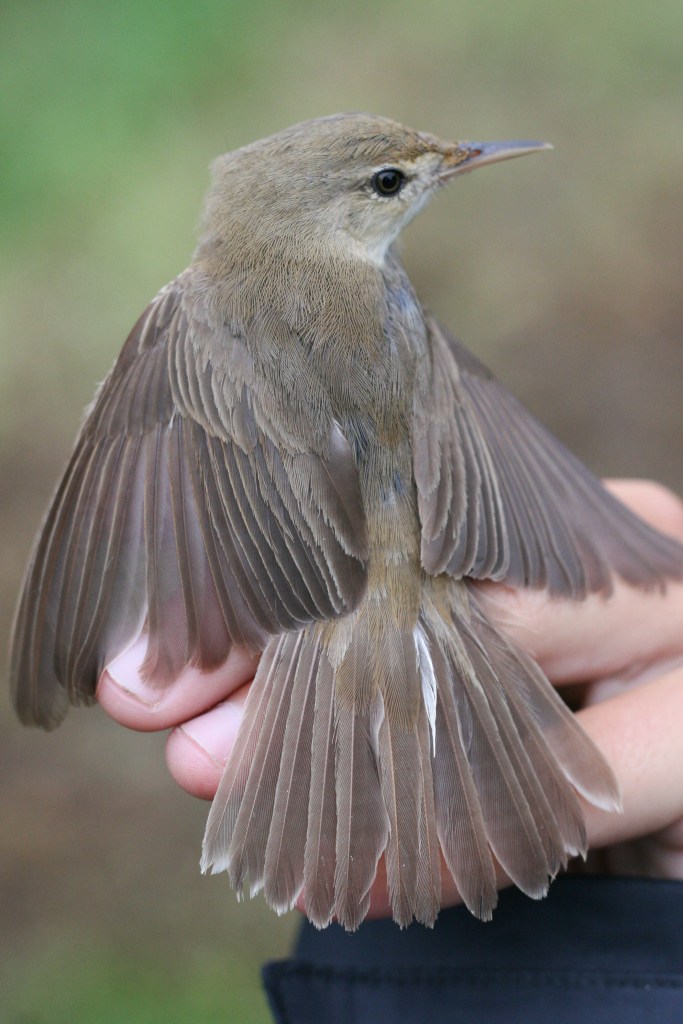
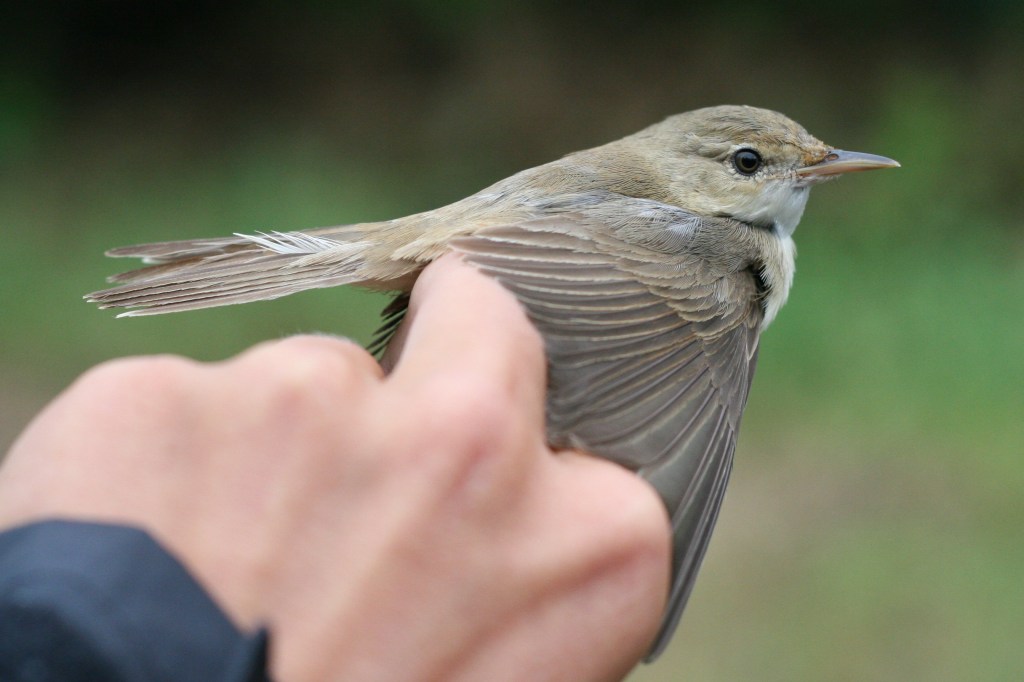
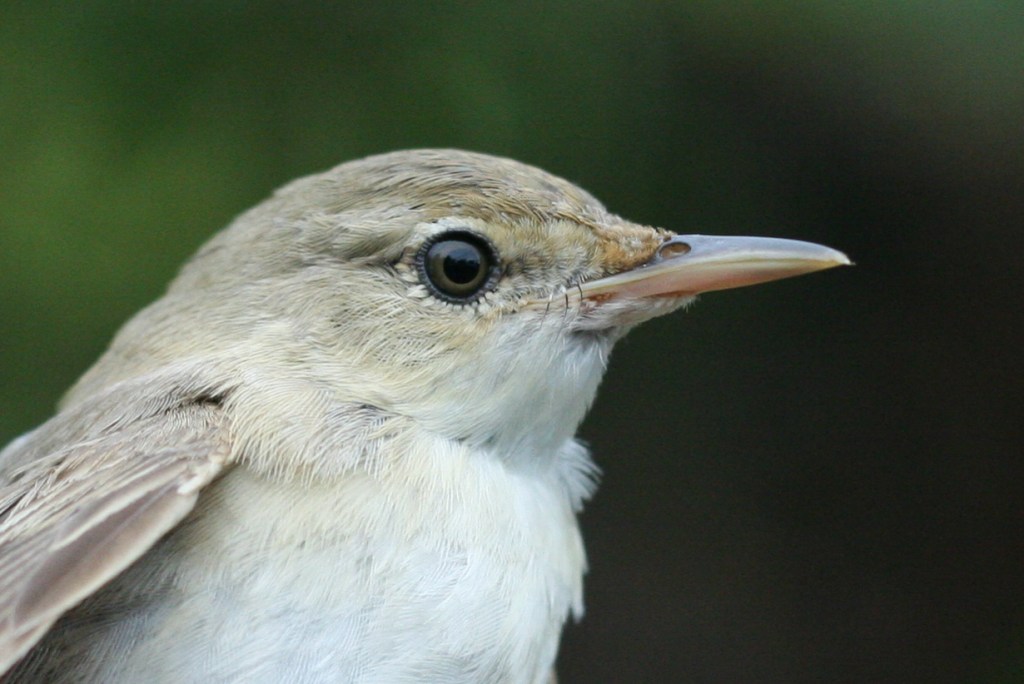
The bird actually seems more like a Blyth’s Reed Warbler or a Marsh Warbler than a Common Reed Warbler. It has a distinct head pattern and the overall color is quite cold with a fairly white belly.
The bird has a quite prominent eyebrow stripe and a rather light-colored lower mandible.

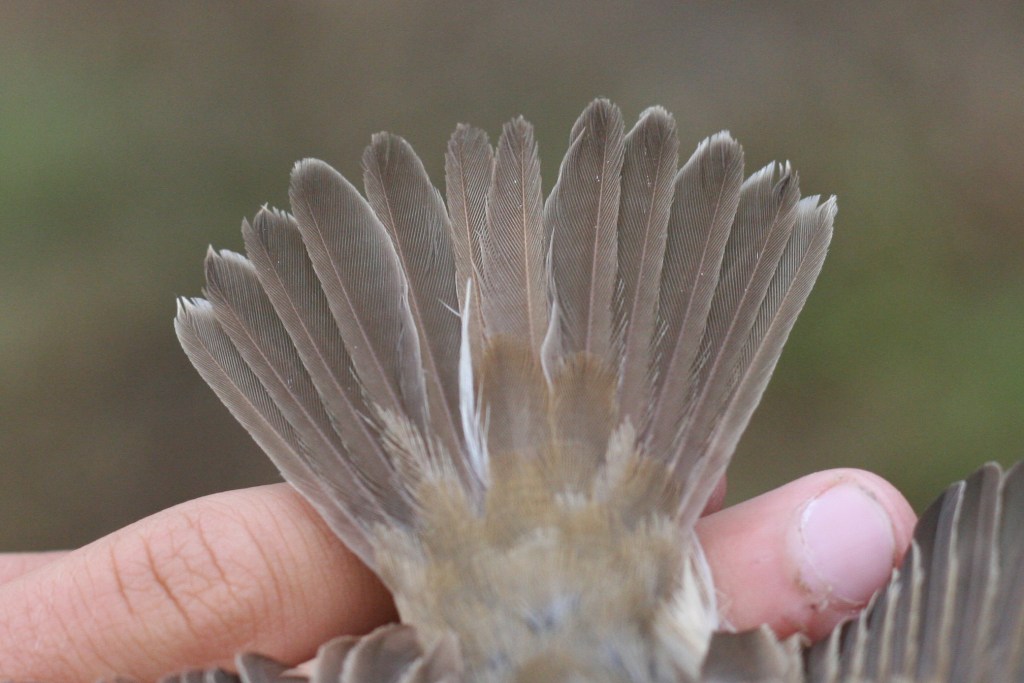
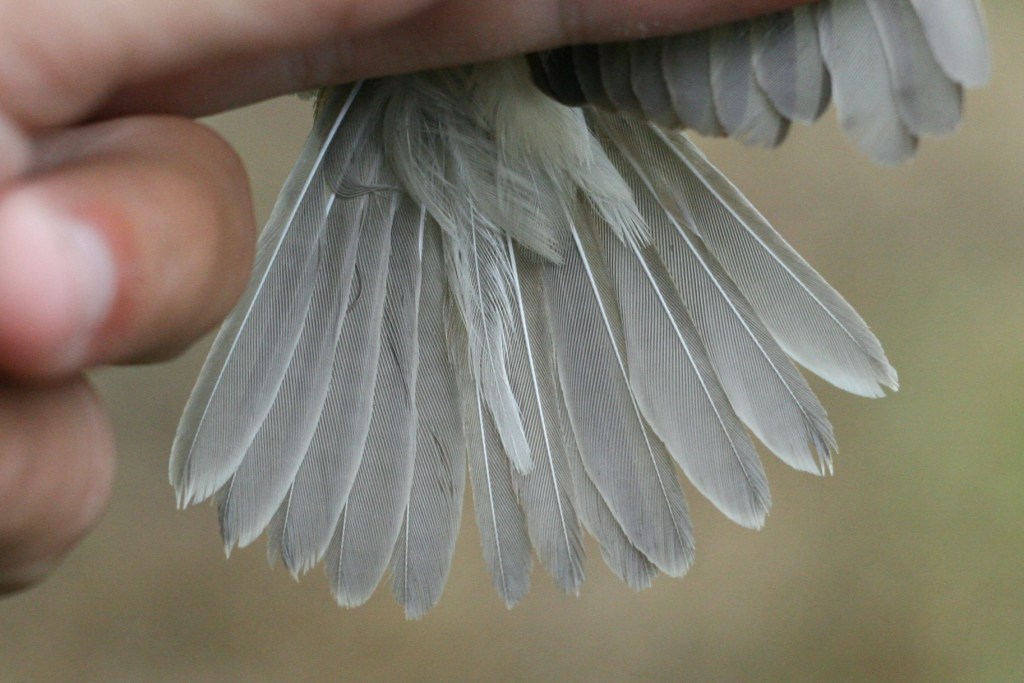
A good characteristic for identifying fuscus are the white tail tips. These are clearly present on this bird, especially on the outer tail feathers.
The legs and claws are like those of an Common Reed Warbler. Quite long and dark.

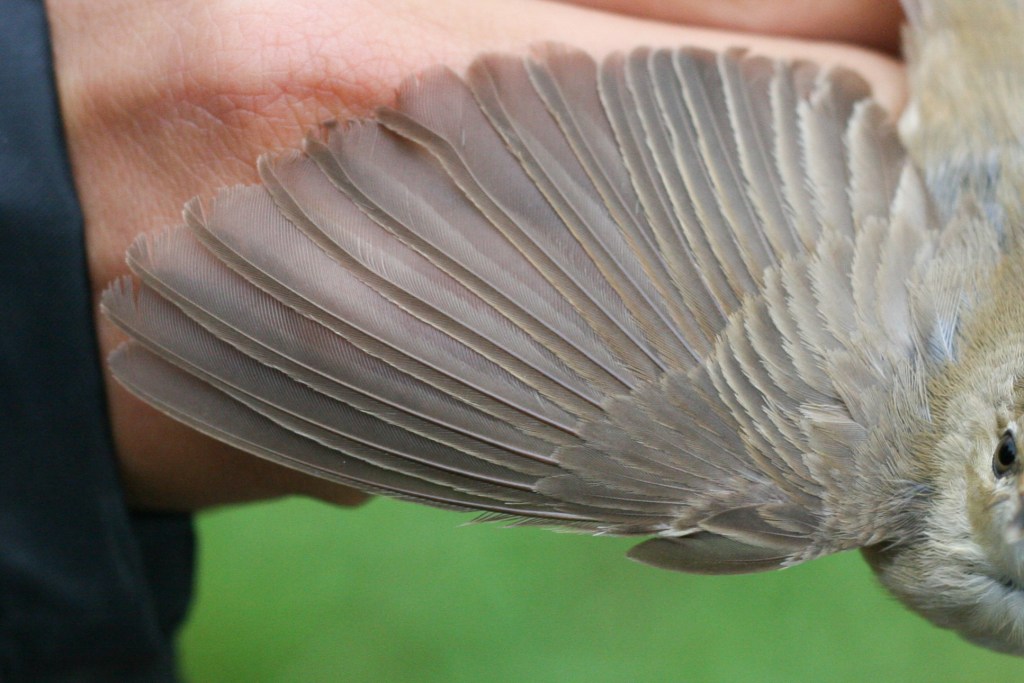
The bird has a long p2 in comparison to a Blyth’s Reed Warbler. P2 should be slightly shorter in fuscus compared to scirpaceus, but I’m hesitant to make any assertions regarding this bird.
P4 is slightly emarginated. On Common Reed Warbler and Marsh Warbler, this is typically not present. On Blyth’s Reed Warbler, it is more pronounced than in this bird.
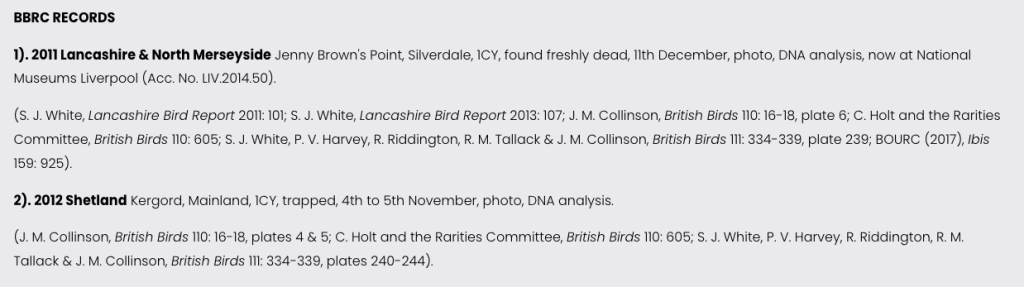
As far as I can find, there are 2 confirmed cases known in the UK. These were both confirmed based on DNA analysis.
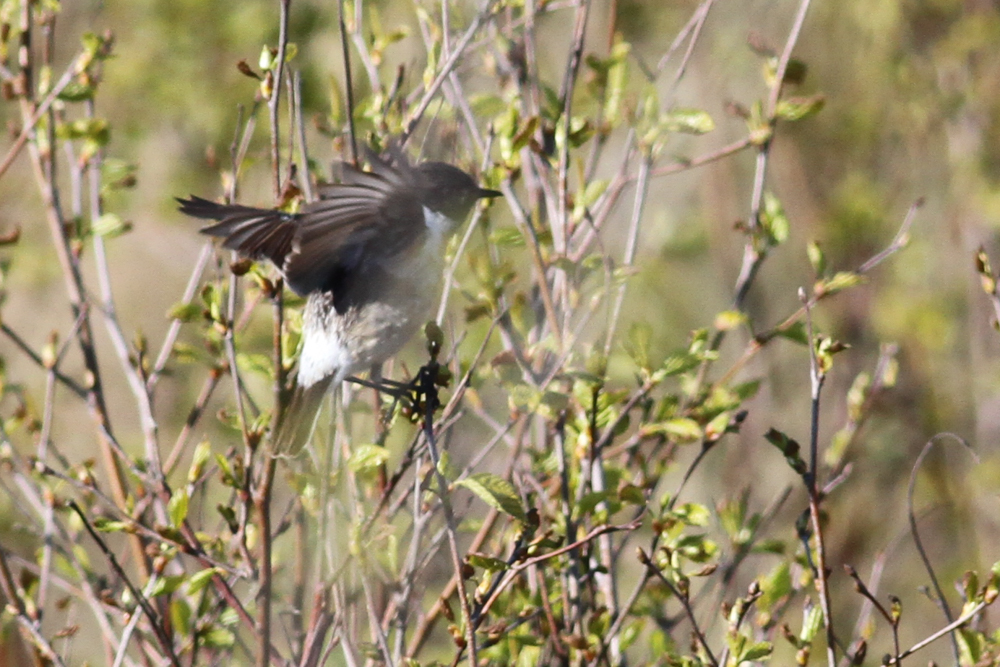
This bird, caught in the Netherlands, bears a strong resemblance. I would personally expect these birds to appear more frequently in (nw) Europe. Whether they can be recognized as such in the field is something I wonder about.
Even in hand, it’s still far from certain, but the bird from Georgia is certainly suggestive.

 Invested Birding
Leave a comment